
Empowering Recovery. Advancing Care.
Board-Certified Orthopaedic & Sports Physical Therapist
Vice Chair – Indiana APTA Central Districts
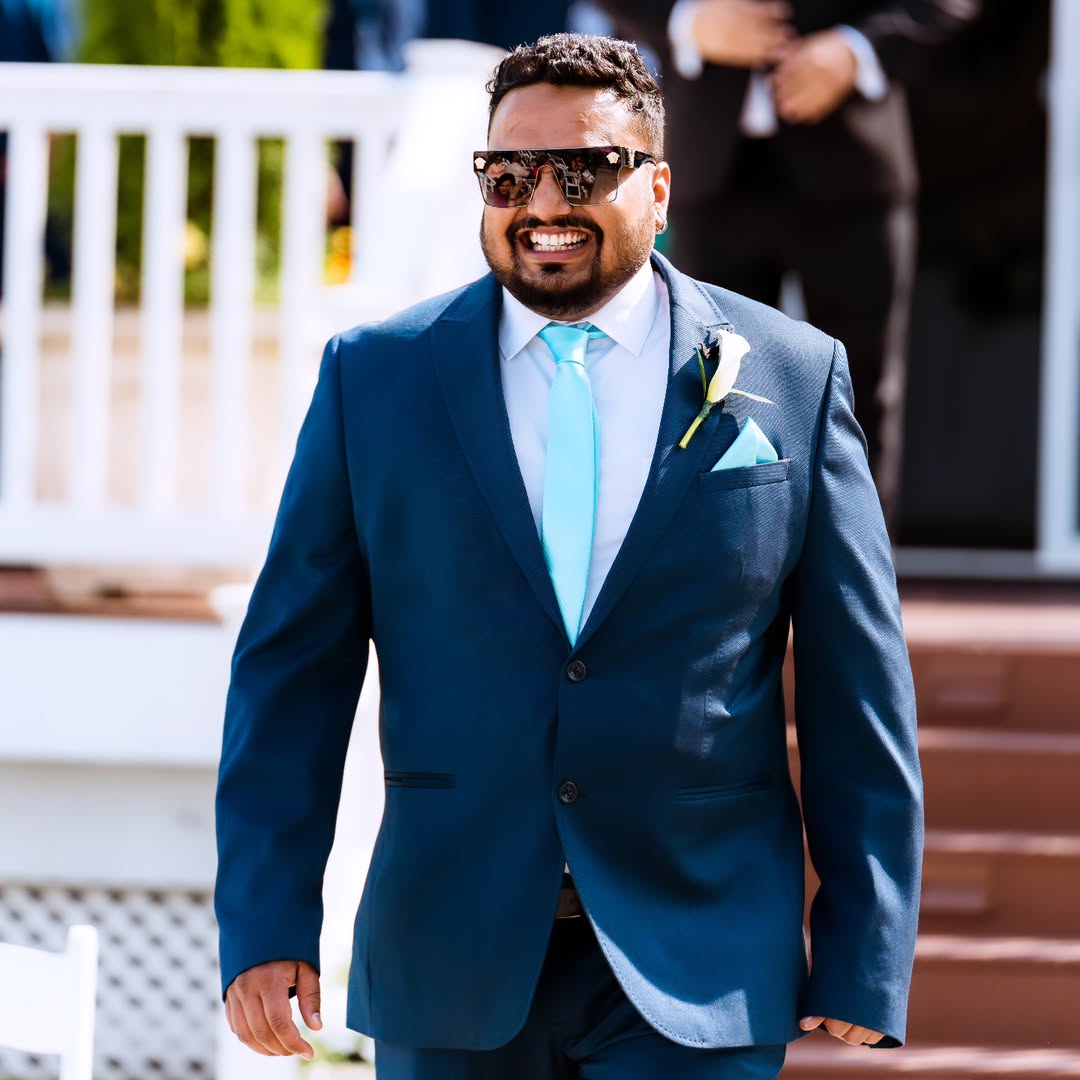
About Dr. Shah
Dr. Rahul Shah, PT, DPT, MBA, OCS, SCS, is a board-certified orthopaedic and sports physical therapist with a deep commitment to patient-centered care and professional excellence. He holds a Doctor of Physical Therapy (DPT) degree from Andrews University and is completing his MBA in Healthcare Management from American National University.
With dual board certifications in Orthopaedic Physical Therapy (OCS) and Sports Physical Therapy (SCS), Dr. Shah specializes in treating a wide range of musculoskeletal and sports-related conditions. His approach integrates the latest evidence-based techniques with personalized treatment plans to help patients recover, perform, and live at their best.
Beyond clinical work, Dr. Shah is a passionate mentor and educator. As an APTA-credentialed Clinical Instructor, he has guided many physical therapy students through their clinical journey with a focus on ethics, skill development, and patient care.
Orthopaedic & Sports Specialist
Dr. Rahul Shah brings advanced certifications (OCS & SCS) and a patient-first approach to help individuals recover, strengthen, and thrive.

Guiding Future Therapists
As an APTA Clinical Instructor, Dr. Shah supports and shapes the next generation of physical therapists through mentorship and hands-on training.

Leading with Purpose
Serving as Vice Chair of Indiana APTA Central Districts, Dr. Shah strengthens collaboration and community in the physical therapy field.
Check out our guide categories
We’ve organized our resources into easy-to-navigate categories so you can quickly find the information you need. Explore our guides below
Advanced Orthopaedic Care

Expert treatment for joint, muscle, and bone conditions using evidence-based practices to restore mobility and function.
Sports Rehab
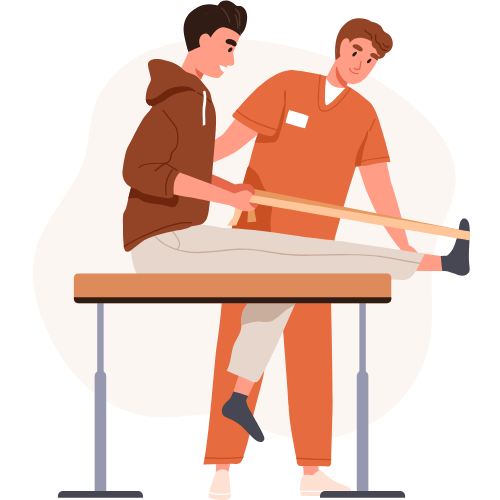
Customized recovery plans for athletes of all levels — from injury prevention to return-to-play programs.
Performance Training
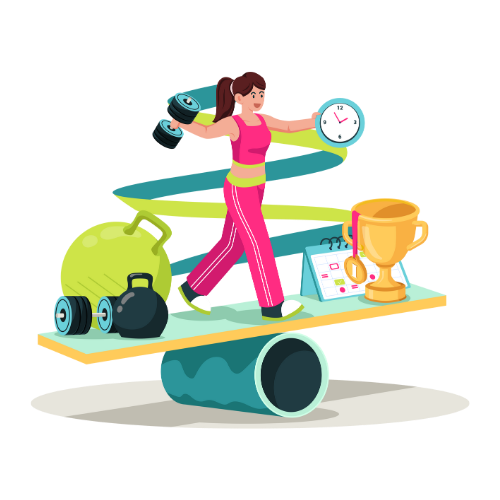
Improve strength, agility, and endurance with guided therapy designed to boost performance and prevent future injury.
Mentorship Program

Supporting physical therapy students through hands-on clinical instruction, skill-building, and real-world guidance.

Knowledge Base
Sed ut perspiciatis unde omnis iste natus error sit voluptatem accusantium

Community Forums
Sed ut perspiciatis unde omnis iste natus error sit voluptatem accusantium

Documentations
Sed ut perspiciatis unde omnis iste natus error sit voluptatem accusantium
What our customers say
Eclectic finds, ethical delights

Transformed my daily routine with unique, eco-friendly treasures. Exceptional quality and service. Proud to support a store that aligns with my values.
Sophia K.
Sip, Shop, Savor

The organic coffee beans are a revelation. Each sip feels like a journey. Beautifully crafted accessories add a touch of elegance to my home.
Liam M.
LOCAL LOVE

From sustainably sourced teas to chic vases, this store is a treasure trove. Love knowing my purchases contribute to a greener planet.
Ava L.
-
Understanding Common Orthopedic Conditions: From Back Pain to Knee Arthritis
Orthopaedic conditions affect millions of people worldwide, impacting mobility, comfort, and quality of life. From everyday aches to chronic conditions, it’s important to recognize the signs early and seek the right care. In this blog, we’ll explore some of the most common orthopaedic issues—focusing on back pain and knee arthritis—along with causes, symptoms, and treatment…
-
Breaking Down Bone Health: Osteoporosis and How to Prevent It
Bones may feel strong and unshakable, but they are living tissues that change throughout life. As we age, bones can lose density, becoming fragile and prone to fractures—a condition known as osteoporosis. This “silent disease” often goes unnoticed until a fracture occurs, but the good news is that prevention and management are possible with the…
-
The Role of Nutrition in Bone and Joint Health
Healthy bones and joints are the foundation of an active, pain-free life. While exercise and medical care play a role, nutrition is one of the most powerful tools to support long-term bone strength and joint flexibility. What you eat today directly impacts your mobility and independence in the future. 1. Why Nutrition Matters for Bones…
-
When to See an Orthopaedic Surgeon vs. a Physiotherapist
Musculoskeletal issues like joint pain, back pain, or injuries can leave patients confused about whom to consult first. Should you see an orthopaedic surgeon or a physiotherapist? Both professionals play important but different roles in diagnosing, treating, and managing orthopaedic conditions. Knowing the difference can save time, reduce pain, and ensure faster recovery. 1. Who…
-
How to Prevent Sports Injuries: Tips for Athletes of All Ages
Sports keep us healthy, active, and competitive—but injuries can quickly sideline athletes of any age. Whether you’re a young student athlete, a weekend warrior, or a professional player, prevention is key. With the right approach, most sports injuries can be avoided or minimized. 1. Understand the Most Common Sports Injuries Before prevention comes awareness. Some…
Frequently Asked Questions
Sed ut perspiciatis unde omnis iste natus error sit voluptatem accusantium doloremque laudantium, totam rem aperiam, eaque ipsa quae ab
What is orthopaedics?
Orthopaedics is a branch of medicine that focuses on the diagnosis, treatment, and prevention of conditions affecting bones, joints, ligaments, tendons, and muscles.
When should I see an orthopaedic doctor?
You should consult an orthopaedic specialist if you have:
Symptoms of arthritis, osteoporosis, or spinal disorders
Persistent joint or back pain
Difficulty moving or performing daily tasks
Injuries such as fractures, sprains, or dislocations
What is the difference between an orthopaedic surgeon and a physiotherapist?
Orthopaedic surgeon: A medical doctor who diagnoses and treats bone/joint conditions, including performing surgery.
Physiotherapist: Focuses on rehabilitation, exercise therapy, and mobility improvement, often working alongside surgeons for recovery.
Can orthopaedic problems be treated without surgery?
Yes. Many conditions can be managed with medication, physiotherapy, braces, lifestyle changes, and minimally invasive procedures. Surgery is considered only when conservative treatments fail.
What are the best foods for bone and joint health?
For bones: Milk, yogurt, leafy greens, almonds, salmon, fortified foods (for calcium and vitamin D).
For joints: Fish (omega-3s), nuts, berries, olive oil, turmeric, and foods rich in vitamin C and collagen.
How can I prevent osteoporosis?
Ensure adequate calcium and vitamin D intake.
Stay active with weight-bearing exercises.
Avoid smoking and excessive alcohol.
Get regular bone density scans if at risk.
What’s the best way to avoid sports injuries?
Warm up and cool down properly.
Use the right protective gear and footwear.
Train with correct techniques.
Don’t overtrain—listen to your body and rest when needed.
Are children at risk of orthopaedic problems?
Yes. Growth-related issues, poor posture, flat feet, scoliosis, and sports injuries are common in children. Early diagnosis and treatment can prevent long-term problems.
What lifestyle habits support healthy bones and joints?
Regular exercise (strength + flexibility)
Balanced diet rich in nutrients
Staying hydrated
Maintaining healthy body weight
Avoiding smoking and high-sugar diets